

The Ultimate Smart Garage Door Opener Buyer’s Guide
A smart garage entrance system is no longer a luxury; it is a realistic security and convenience that fits into daily life. Doors open, lights turn on, and packages arrive safely with a phone tap or voice order. Dozens of models promise quieter motors, stronger encryption, or more app support. The list below suggests what to consider before choosing Garage Door Openers that fit your lifestyle and budget.
Knowing Connectivity Options
Modern openers use wireless connectivity to connect motor and cellphone. Consider:
• Wi-Fi: Allows remote commands and real-time warnings via the cloud.
- Bluetooth: Fast local pairing, excellent for detached garages with weak Wi-Fi.
- Z-Wave or Zigbee: Popular mesh-network technologies. Ideal for homes with smart locks or sensors.
- 2.4 GHz + 5 GHz dual-band devices minimize interference from neighboring routers.
Choose devices with over-the-air firmware updates for automatic security patches.
Safety and security evaluation
A door for tools, bikes, and internal access requires stronger security. Consider:
• Rolling-code technology that updates credentials with each press.
- Auto-close timers prevent overnight door vacancy.
- Battery backup during power outages for mechanism functionality.
- Infrared photo-eyes six inches above the floor detect toys and pets for reversal.
Premium models have built-in cameras or motion-activated lighting; compare them to cloud video storage subscriptions.
Integration with Home Ecosystems
Voice assistants and automation platforms make openers smart home hubs. Check for native support for Apple Home, Google Home, or Amazon Alexa.
- Set up bespoke IFTTT triggers, such as turning on external lights after sunset.
- Geofencing activates automatic door closure when the family car leaves a 200-meter radius.
- Enables multiple user profiles for guests and service providers to share temporary digital keys instead of PIN codes.
Budget, Warranty, and Value
Ageing technology has tightened price brackets. Remember these tips:
- Wi-Fi entry models cost roughly $130, offering rudimentary app control and limited accessories.
- Mid-range systems ($200-$300) have battery backup, quieter belts, and home-assistant connectivity.
- Kits over $350 typically include HD cameras, LED illumination, and lifetime motor guarantees.
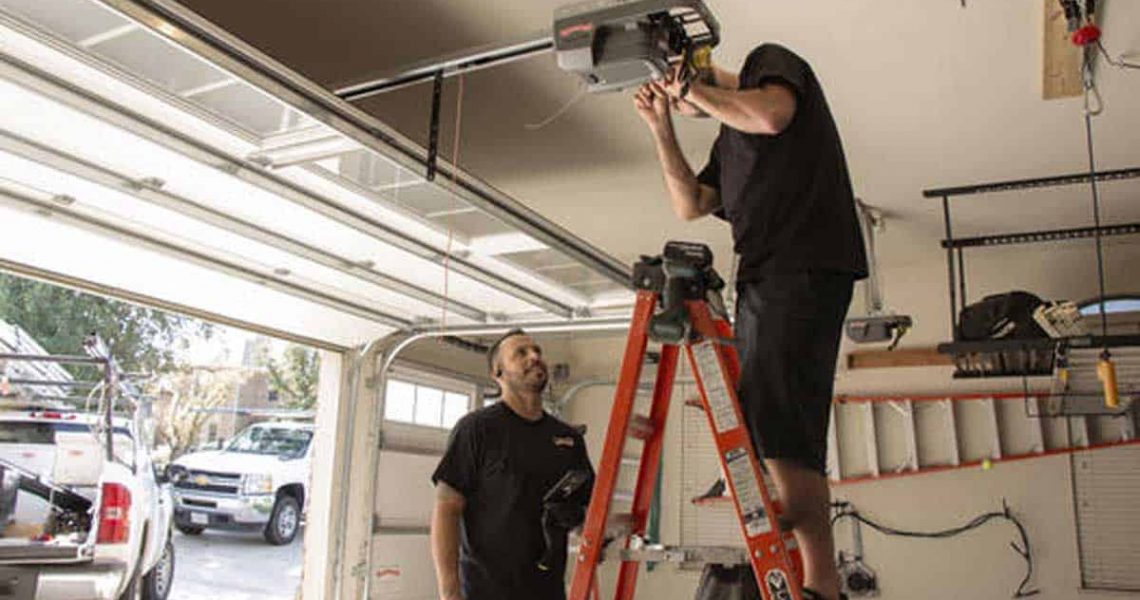
Check motor, belt, chain, and electronic warranty lengths separately. Professional installation doubles the cost but may prolong warranty coverage and balance spring tension.
Conclusion
Matching connectivity, safety, power, ecosystem fit, and affordability to your household’s needs is key when choosing smart Garage Door Openers. You will get a device that glides smoothly, guards well, and remains intuitive after the novelty wears off by weighing each category equally.