

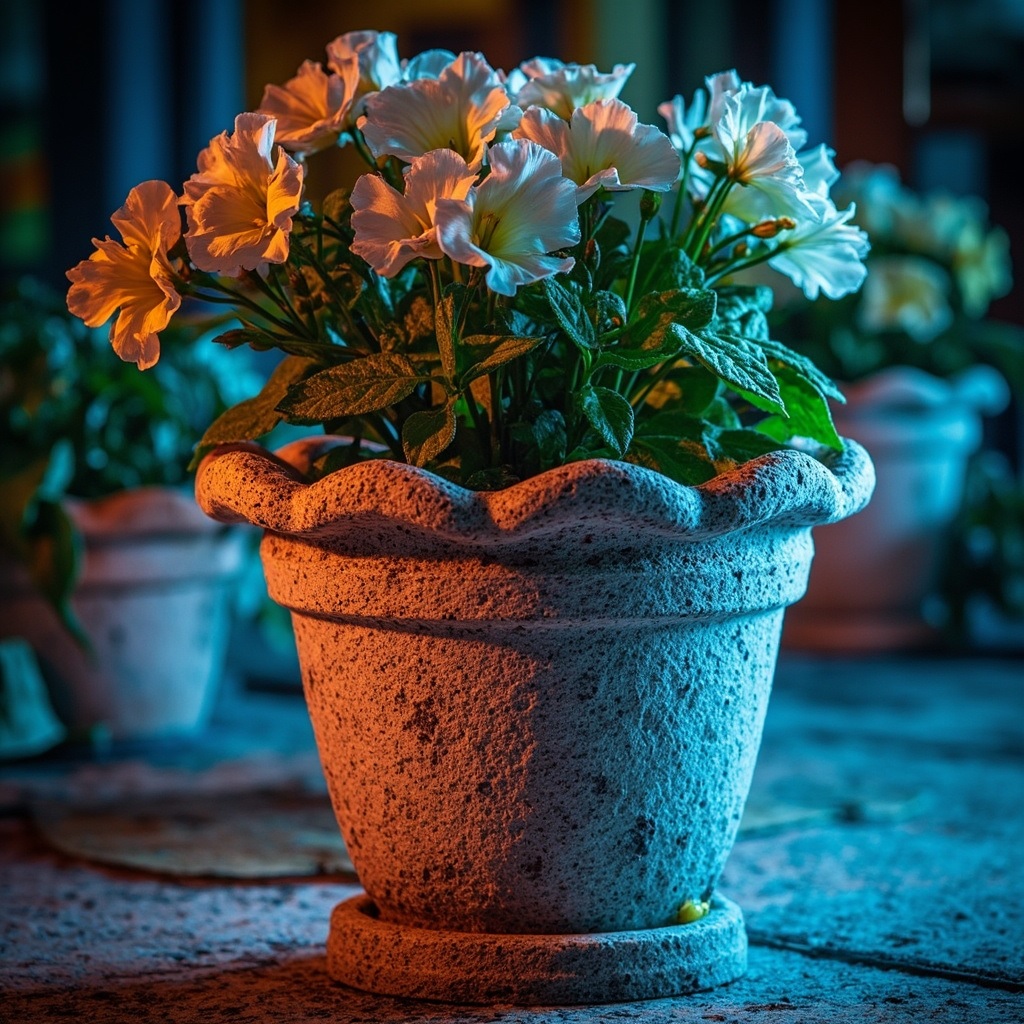
 Let’s cut the fluff. If you sell planters—or worse, if you buy them—you’ve seen the aftermath. That once-glossy black finish turning into a chalky, faded mess after one brutal summer. The vibrant terracotta tone that looks like it’s been bleached by a thousand suns. It’s ugly. It’s expensive. And it’s completely avoidable. The difference between a Aluminum Alloy Planter Box that looks like a museum piece after five years and one that looks like a discarded toy is simple: UV stability. And the only way to prove that stability before a single box ships is through accelerated weathering tests.
We are not talking about theory. We are talking about a Xenon-arc chamber that simulates years of solar radiation in weeks. We are talking about spraying your powder coated surface with deionized water to mimic acid rain and dew cycles, then measuring the gloss retention, the color shift, and the dreaded chalking. If your planter passes a 2,000-hour test with a Delta E under 1.0, you have a product that laughs at the sun. If it fails, you have a liability.
Why does this matter specifically for powder coated planters? Because the substrate is metal. Unlike plastic, metal doesn’t degrade from UV itself, but the coating is your only armor. Once that armor cracks or fades, moisture hits the steel or aluminum, and you get rust blooms, blistering, and delamination. A planter that looks sun-faded in year one will look like a rust bucket by year three. That is not a product; that is a refund request waiting to happen.
The smart manufacturers are not just running these tests. They are using them as a weapon. They are selecting polyester-based powder coatings with UV-resistant additives, often with a TGIC-free formulation that still hits a 5-star rating on the Florida outdoor exposure scale. They are demanding that their coating supplier provide a written guarantee based on ASTM D4587 or ISO 11507 standards. They are printing the results on their spec sheets, not hiding them in a technical appendix.
Here is the brutal truth: a cheap planter that fails in the sun costs you more than a premium one that survives. You lose the customer. You pay for return shipping. You get a bad review that kills ten future sales. The accelerated weathering test is the cheapest insurance policy you will ever buy. It takes a product from “looks nice in the showroom” to “proven to endure the harshest rooftop terrace from Arizona to Dubai.”
So stop guessing. Stop relying on a sales rep’s promise that the powder is “pretty good.” Demand the data. Run the cycle. And when your planters come out of that chamber still holding their color and their gloss, you will have the only thing that matters in this market: proof. Your customers will see the difference. The sun will not win.