

Termite Risks in Burleigh Heads: What You Need to Know
Why Worry About Termites Here?
Let’s cut to the chase: Burleigh Heads is a hotspot for termite trouble. The mix of moisture, timber homes, and coastal climate makes it prime real estate—not just for people, but for termites too! These little guys can quietly chew away at your home’s structure long before you ever see a sign. If you want peace of mind, consider reaching out to Housefly Building & Pest Inspectors for a thorough inspection.
Top Reasons You Should Care
– Hidden damage: Termites work out of sight, so you might not notice until real problems appear.
– Moisture matters: Leaky pipes, bad drainage, and humid weather give termites the green light.
– Local climate: Warmth and humidity? Termites love it here as much as we do.
How Inspectors Spot Trouble
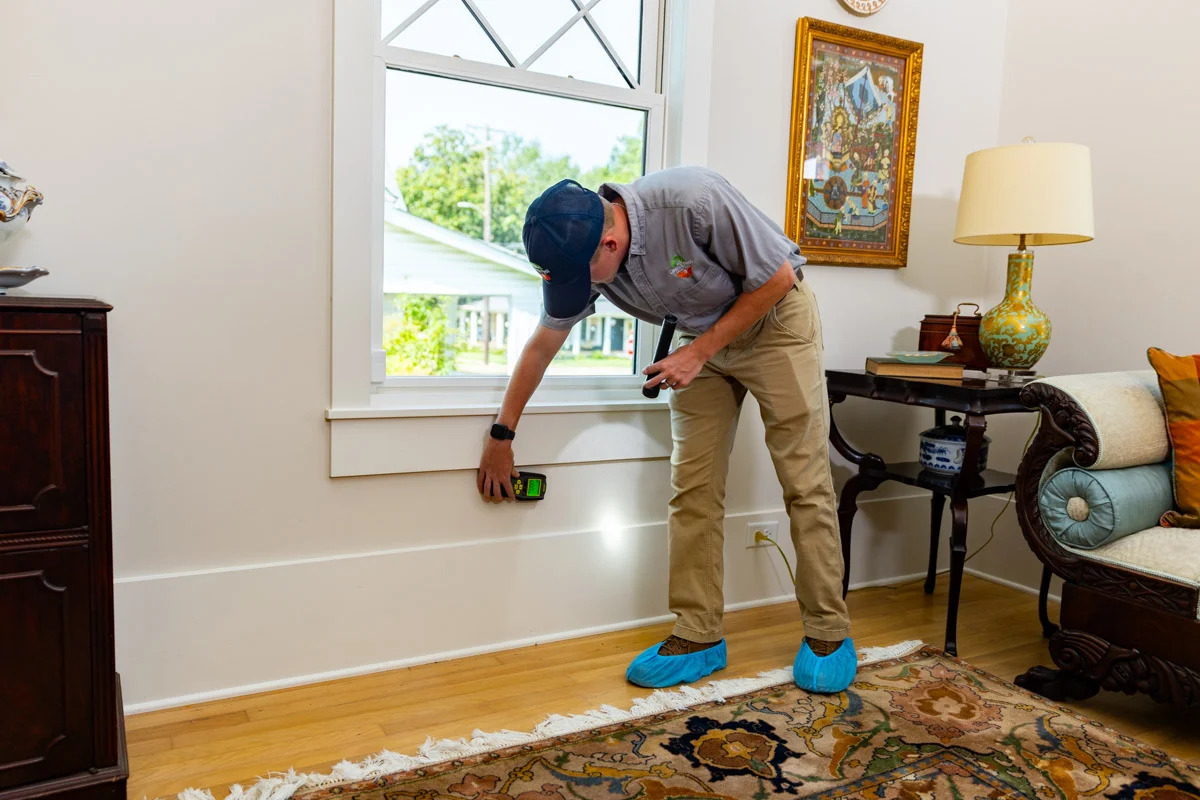
Ever had an inspection report and wondered what the red flags really mean? Here’s what termite pros look for in Burleigh Heads homes:
Key Signs of Termite Activity
– Mud tubes: Look for these skinny, muddy tunnels running up walls or foundations. They’re termite highways.
– Frass: Tiny, sand-like droppings near wood joints or corners—think of them as termite “calling cards.”
– Shed wings: Small piles of insect wings mean termites are moving in.
– Hollow wood: Tap on timber—if it sounds empty, termites might have hollowed it out.
– Sagging floors or doors: These could mean termite-damaged framing.
– Moisture stains or mold: Damp patches, musty smells, or blistered paint often point to hidden problems.
Where Termites Like to Hide
Termites aren’t picky, but they do have favorite hangouts:
– Subfloors and crawl spaces: Dark, damp, and full of tasty timber.
– Door and window frames: Softened wood is an easy entry point.
– Around pipes and wiring: Any gap in walls can be a termite on-ramp.
– Garden beds and retaining walls: Wood-to-soil contact is basically an open invitation.
Pro tip: Use a moisture meter or ask your inspector to do so—hidden moisture is a huge red flag.
Why Timber and Climate Choices Matter
Here’s the deal: some woods are like candy to termites, others, not so much.
– Untreated softwoods: Super tasty for termites.
– Treated or hardwoods: More resistant, but not invincible.
– Poor ventilation: Traps moisture, making timber more attractive to pests.
– Local humidity: In Burleigh Heads, seasonal rains and sea breezes can keep things damp—perfect for termites.
What to do? Choose the right timber, keep it dry, and make sure your builder uses proper barriers.
The Biggest Red Flags
When should you get worried? If you spot any of these, it’s time to call the pros:
– Mud tubes climbing walls, piers, or garden edges
– Hollow-sounding wood (just tap and listen)
– Six-sided pellets (termite poop—gross, but important!)
– Soft, warped, or sagging floors
– Musty smells or obvious moisture trails
Subfloor Sneak Peeks: What You Can Check Yourself
Before you even get an inspection report, you can take a quick look under the house (if it’s safe):
– Uneven or persistently damp patches after rain
– Raised or buckling floorboards
– Gaps or movement around joists and sills
– Musty smells or weird discoloration on timber
– Hollow sounds when you tap the wood
If any of these show up, flag it for your inspector!
Local Termite Treatments: Why Burleigh Heads Needs a Tailored Approach
Not all termite treatments are created equal, and what works somewhere else might not suit Burleigh Heads.
Why Go Local?
– Targeted treatments = less chemical exposure for you and your family.
– Local species, local climate: The right solution matches the exact type of termite and weather patterns here.
– Proactive is better than reactive: Spot problems early, treat them fast, and you’ll save money (and headaches).
Smart Strategies
– Bait stations and soil barriers (placed in high-risk areas)
– Regular monitoring and quick follow-up
– Only treating where and when needed—not just a one-size-fits-all spray
Reading Your Inspection Report (Without the Jargon Overload)
Inspection reports can look intimidating, but you can break them down like this:
- Check the summary—that’s where the urgent stuff is.
- Look for severity ratings: Terms like “critical,” “moderate,” or “minor” tell you what’s urgent.
- Match the findings to your house: Are the problems linked? Fixing a leak might help with multiple issues.
- Review the action plan: What needs doing now, and what can wait?
- Look for clear diagrams, dates, and photos—these help you double-check the inspector’s findings.
- Make a to-do list—start with urgent repairs, then moisture fixes, then regular checks.
What To Do After You Buy in Burleigh Heads
Congrats on your new place! Now, let’s keep termites out:
– Book a pro termite inspection (even if the last owner did one)
– Fix leaks and drainage issues ASAP
– Clear wood piles or debris away from the house
– Trim plants and mulch back from walls
– Seal gaps and entry points (especially around pipes and vents)
– Set up regular inspections—at least once a year, plus after big storms
Bonus tip: Teach your family what termite droppings and mud tubes look like. Early catches = less drama!
Still got questions? Don’t hesitate to ask a local pest pro—they know Burleigh Heads’ unique termite habits inside and out. And remember: a little vigilance now saves huge repair bills later!